
Smoke detectors reduce the risk of fire-related fatalities by an estimated 50-60%. These critical safety tools are most effective when you’ve installed them in key areas of your home. Also, it’s important to maintenance your smoke detectors, or their batteries could be dead during a fire.
Fortunately, Mister Sparky is here to give you all the information you need, including smoke alarm placement and maintenance. After all, don’t put up with any malarkey, call Mister Sparky.
Where Do I Need Smoke Detectors?
The National Fire Protection Agency (NFPA) oversees the National Fire Alarm and Signaling Code, which mandates that smoke detectors be placed on every floor of your home. Additionally, each bedroom needs one, along with one outside of sleeping areas and one at the top of any interior stairways. Despite this, some older homes in Ocala may not meet the minimum requirements.
East Ocala and the Fort King District features several homes from the mid-20th century. Those who live in this area would be wise to conduct a smoke detector count. If you find your home doesn’t meet the minimum requirements, reach out to us for assistance with installing a new one.
How Do I Test My Smoke Detectors
Even if you’ve got the requirements covered, you still need to test them on a regular basis. Use the test button on each smoke alarm once a month. That way, you can be confident that they’re still all operational.
Are you unsure if you can remember to check your fire alarms monthly? Simply set up a monthly alarm on your smartphone.
Other methods you should use include:
- Cleaning your detectors by following the manufacturer’s instructions
- Replacing the batteries once per year, even if they’re still working
- Using the manufacturer’s instructions when deciding on the brand of batteries to purchase
What if My Smoke Detector Has a Non-Replaceable Battery?
Detectors with a non-replaceable battery are designed to last for approximately 10 years. Therefore, when a unit begins chirping, it’s your sign to replace the entire detector. Be sure not to wait, either, as a chirping detector might not have enough battery life left to alert you to a fire.
Do I Need Interconnected Smoke Alarms?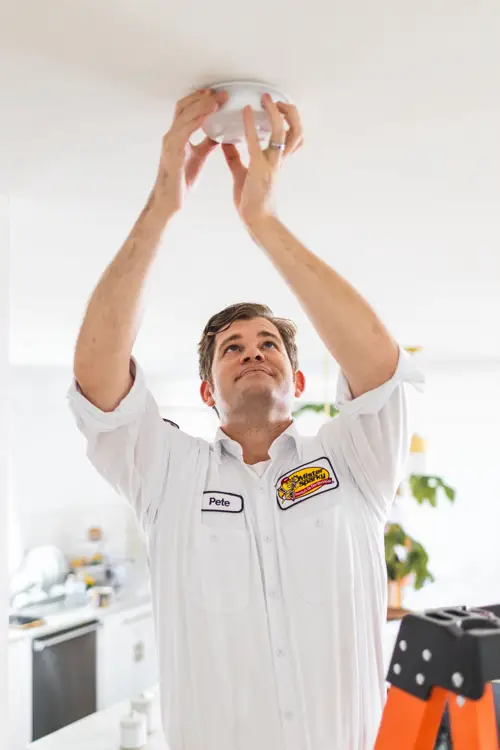
According to the Consumer Product Safety Commission (CPSC), interconnected alarms are more likely to alert you to a fire. When you choose this type of alarm system, it means that if one detector goes off, they all go off. Many interconnected alarms are hardwired, too.
In most cases, these alarms have a five-to-10 year lifespan. They also have a higher chance of alerting you to a fire.
CPSC’s study showed that 53% of interconnected alarms worked properly. Meanwhile, only 37% of non-interconnected systems went off during a fire. Keep in mind that these numbers would have been much higher, if it weren’t for homeowners neglecting to test their smoke detectors.
How Do I Properly Install a Fire Alarm?
To receive the best results, there are several installation tips you should follow. One of the most important tips is to select alarms that have used a recognized testing facility. Other tips include:
- Provide at least 10 feet between a detector and your cooking appliances
- Place your fire alarms on ceilings or high on walls
- Don’t paint a smoke detector as this could stop proper operation
- Interconnected alarms should all be made by the same manufacturer
- Don’t install an alarm near doors, windows or ducts
If you’ve got a vaulted ceiling, steer clear of placing an alarm at the apex point. Instead, place it somewhere between four inches and three feet of the apex.
What Type of Smoke Detector Should I Use?
There are many different types of smoke alarms on the market, but only two of them are common. It’s vital to understand the differences between these alarm types before you select one.
Photoelectric: These alarms detect smoke by using an LED beam, and they’re generally best at alerting you to a smoldering fire.
Ionization: Smoke from a fire interrupts the flow of ions in its chamber, which activates the alarm. These detectors typically work best with flaming fires.
The NFPA actually recommends putting both types in your home. That way, you’ve got the best possible chance of an early fire alert. Otherwise, choose a detector with dual sensors.
Do I Also Need a Carbon Monoxide Alarm?
For the best possible protection, install a carbon monoxide alarm and interconnect it with your smoke detectors. Carbon monoxide comes from burning fuels such as gas, oil, wood or propane.
Approximately 400 American lives are lost each year due to carbon monoxide poisoning. Furthermore, around 4,000 Americans end up hospitalized per year. If you use a fuel-burning appliance, you should install a carbon monoxide detector.
Fuel-burning appliances include:
- Ovens
- Furnaces
- Stovetops
- Water heaters
Does this mean that all-electric homes are safe from carbon monoxide? Not necessarily. In fact, carbon monoxide can easily enter your home via a backup generator or garage. Therefore, it’s best for every homeowner to install a carbon monoxide alarm.
Ocala Mister Sparky Helps Install Smoke Alarms
Whether you’re unable to install a smoke detector or are still unsure about where to place them, feel free to rely on Mister Sparky. Our team of dedicated electricians know all of the NFPA’s requirements. Plus, we’ll conduct a brief fire alarm audit, just to make sure you’re all set.
Call Mister Sparky Ocala at (833) 226-6010 or book online now!
